1. Radon >
  2. Risks

Radon Risks in Lincoln, NE

1 in 15 United States homes have high radon levels, and Nebraska has the 3rd highest radon levels of all US states. Radon is colorless and odorless. Testing is the only way to know whether your home is affected. It is simple, inexpensive, and the single most important step a Lincoln homeowner can take toward protecting their family from this invisible risk.

SCHEDULE AN APPOINTMENT
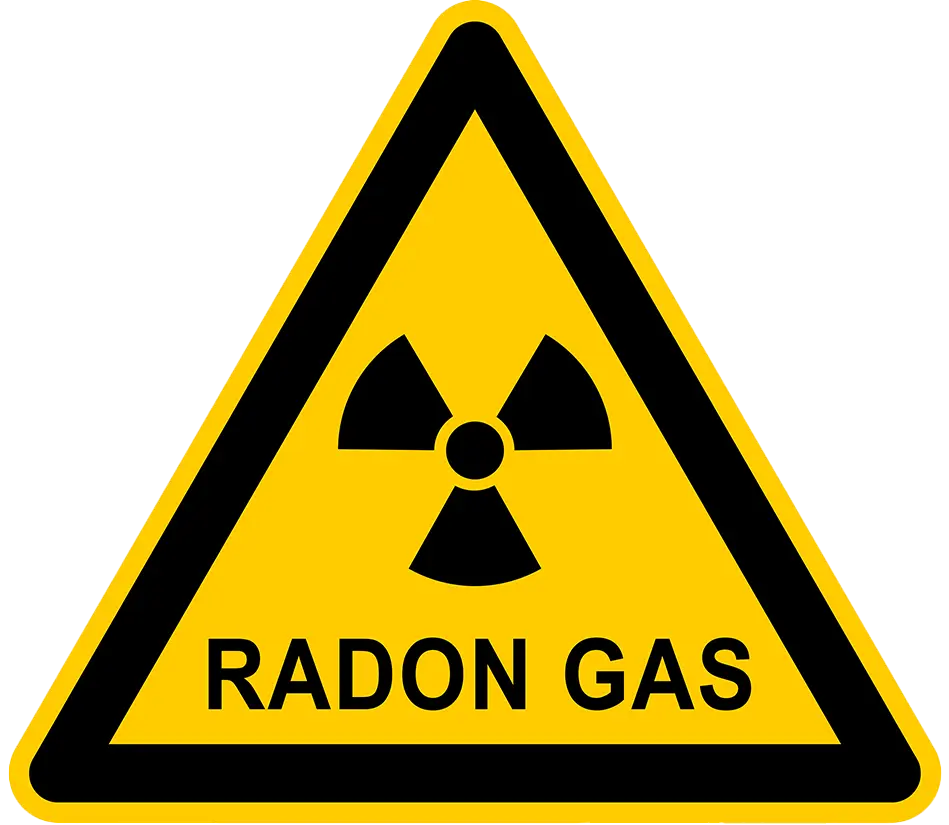
Radon gas warning label

What is Radon?

Radon is a radioactive gas that forms naturally as uranium, thorium, and/or radium decay. According to the United States Environmental Protection Agency (EPA), these are each radioactive metals that are breaking down in rocks, soil and groundwater beneath the earth surface.

How Does Radon Enter your Home?

Because radon is produced in the soil beneath homes throughout Nebraska, it is entirely possible your home has elevated radon levels without any visible sign of it. Radon, being a gas, only needs the smallest of avenue to enter your home. Radon gas commonly enters the home through cracks or gaps in your foundation slab, however it can penetrate through the pores of the concrete slab as well.

Health Risks

  • Invisible Threat to Respiratory Health

    Prolonged inhalation of radon gas poses a direct threat to the respiratory system. When radon decays, it releases radioactive particles known as radon progeny or radon daughters. These particles, if inhaled, can become lodged in the lungs, emitting alpha radiation. The emitted radiation has the potential to damage lung tissue, increasing the risk of lung cancer.

  • Lung Cancer Risk

    The primary health concern associated with radon exposure is the elevated risk of developing lung cancer. Radon is recognized as the second leading cause of lung cancer globally, and it is estimated that radon-induced lung cancer claims thousands of lives each year. It is important to note that this risk is not exclusive to smokers; even non-smokers can succumb to the detrimental effects of radon exposure.

  • Cumulative Nature of Risk

    Radon-induced lung cancer risk is cumulative, meaning the longer the exposure, the higher the risk. Unlike some environmental pollutants that may exhibit immediate health effects, radon acts stealthily over an extended period. Consequently, individuals may not manifest symptoms until the disease has reached an advanced stage, underscoring the importance of proactive testing and mitigation measures.

  • Children and Radon Exposure

    Children, with their higher respiratory rates and developing lung tissues, may face an increased vulnerability to the effects of radon exposure. Long-term exposure during childhood can potentially contribute to a higher lifetime risk of lung cancer. Thus, assessing and mitigating radon levels are paramount for creating a safe living environment for all occupants, irrespective of age.

  • Secondary Risks

    Beyond lung cancer, emerging research suggests potential links between radon exposure and other respiratory conditions, such as chronic obstructive pulmonary disease (COPD). While more studies are needed to establish these associations definitively, they highlight the multifaceted impact of radon on respiratory health.

The Need for Radon Testing

  • Invisible Threats

    One of the most challenging aspects of dealing with radon lies in its imperceptible nature. Unlike other environmental pollutants that may manifest with noticeable odors or visible signs, radon is both colorless and odorless. This inherent invisibility renders it a silent intruder, infiltrating homes without leaving any discernible trace. Homeowners may remain blissfully unaware of its presence, unknowingly exposing themselves and their families to potential health hazards.

  • Risks of Neglecting Radon

    Given radon's elusive characteristics, its detection relies solely on proactive testing measures. Neglecting to test for radon allows this invisible menace to persist unchecked, posing an ongoing threat to the occupants' health. The consequences of prolonged exposure may not become apparent until years later when the insidious effects of radon-induced lung cancer begin to manifest. By then, preventive measures could be less effective, underscoring the urgency of early detection through systematic radon testing.

  • Geographical Variations

    Nebraska as a state has the third highest average radon level in the United States, only lower than Iowa and Pennsylvania. This high rate is due to the fact that the Radon source of decomposing rock layer is closer to the earth surface than in other states. This means on average home in Nebraska, Lincoln NE included, are more likely to have a higher radon level than other areas of the nation.

  • Influence of Construction Techniques On Radon Levels

    Radon does not discriminate by construction type. Homes with basements, crawl spaces, or slab-on-grade foundations can all have elevated levels. In Nebraska, where many homes have basements that are heavily used, radon exposure risk is particularly relevant because radon concentrations are highest closest to the soil. Newer construction homes are typically tighter, which can actually increase radon concentration rather than reduce it. Many local building codes now require passive radon mitigation systems in new construction, which reflects how seriously local officials take this issue. Passive systems help, but some homes will still need an active (powered) system to bring levels within safe ranges.

Schedule a Radon Test

Bryant Lincoln provides professional radon testing throughout Lincoln. For a limited time, you can save $25 on a professional radon test. Call 402-470-8162 or schedule online at bryantlincoln.com.

Types of Radon Testing

DIY Radon Test Kits

Home Do-It-Yourself test kits can be purchased in various manners. Kits are available online or can be found at many home improvement or hardware stores as well. These kits typically require a testing period of 3 to 7 days depending on the kit's specific requirements. Once the collection or in-home testing period has been completed the kit will need to be sent off to the designated testing facility. Many of these tests will require an additional testing fee beyond the purchase price of the kit. Results will determine the highest level of radon during that time that the test was taken. Make sure to keep all windows and exterior doors closed as much as possible including a 12-hour period before beginning the test.

Professional Radon Testing by Bryant

Bryant uses professional testing equipment that will not only produce very accurate, but more detailed reporting than the DIY tests. Our testing professionals will be able to see the variances of your home radon levels throughout the testing period. Some of these variances can help in determining the need and solution options for your home in mitigating any radon issue. As with the DIY test a 12-hour preparation period is required with your home's windows and exterior door kept closed. Bryant's professional radon tests require a 48-72 hour testing cycle, with most test results returned within 24 hours.

Bryant testing professionals are very knowledgeable and will go through your test reports, helping you better understand the results and next steps.

If your results show elevated radon levels, Bryant Lincoln's team will walk you through your options for mitigation. We handle both testing and system installation, so you have one point of contact from the initial test through the final post-mitigation retest.

No doubt about it, radon is a harmful gas found in high concentrations in the Lincoln NE area. Performing a radon test in your home is a simple task whether performed with a DIY testing kit or by a professional. With the health concerns caused by radon and the inexpensive cost of radon testing, the benefits far outweigh ignoring the invisible dangers in your home. Bryant offers radon testing and mitigation services. Give us a call or request a radon test from our website.

More Radon Resources

Find helpful resources and expert tips to keep your home's systems running smoothly and efficiently.

Review us Five stars on
Google